The short version
AI tools changed my job description. I still explore visual direction in Figma - but interaction questions get answered in working code, running on my phone, usually the same day. Claude Code sits in every phase: clustering App Store reviews during discovery, building UI variants as branches instead of artboards, writing production code, managing Git, and preparing App Store releases.
The point isn't replacing craft. It's collapsing the distance between an idea and evidence.
The loop
Discovery from public signals
Before designing a single screen of Ago, I mapped 15 competitor apps and pulled 500+ App Store reviews across the biggest players, using Claude to cluster them into patterns. The defining insight - users resenting gamified guilt, not asking for more of it - came out of that pile, and it set the product's core principle. The full chain from research to decision is in the Ago case study.
"I get angry at notifications and rebel against my own authority." App Store review of a competitor - the pattern that shaped Ago's calm-first principle
This used to be a week of manual spreadsheet work. Now it's an afternoon, which means it actually happens - for every idea, not just the ones that feel worth the effort.
Prototype in code, not just mockups
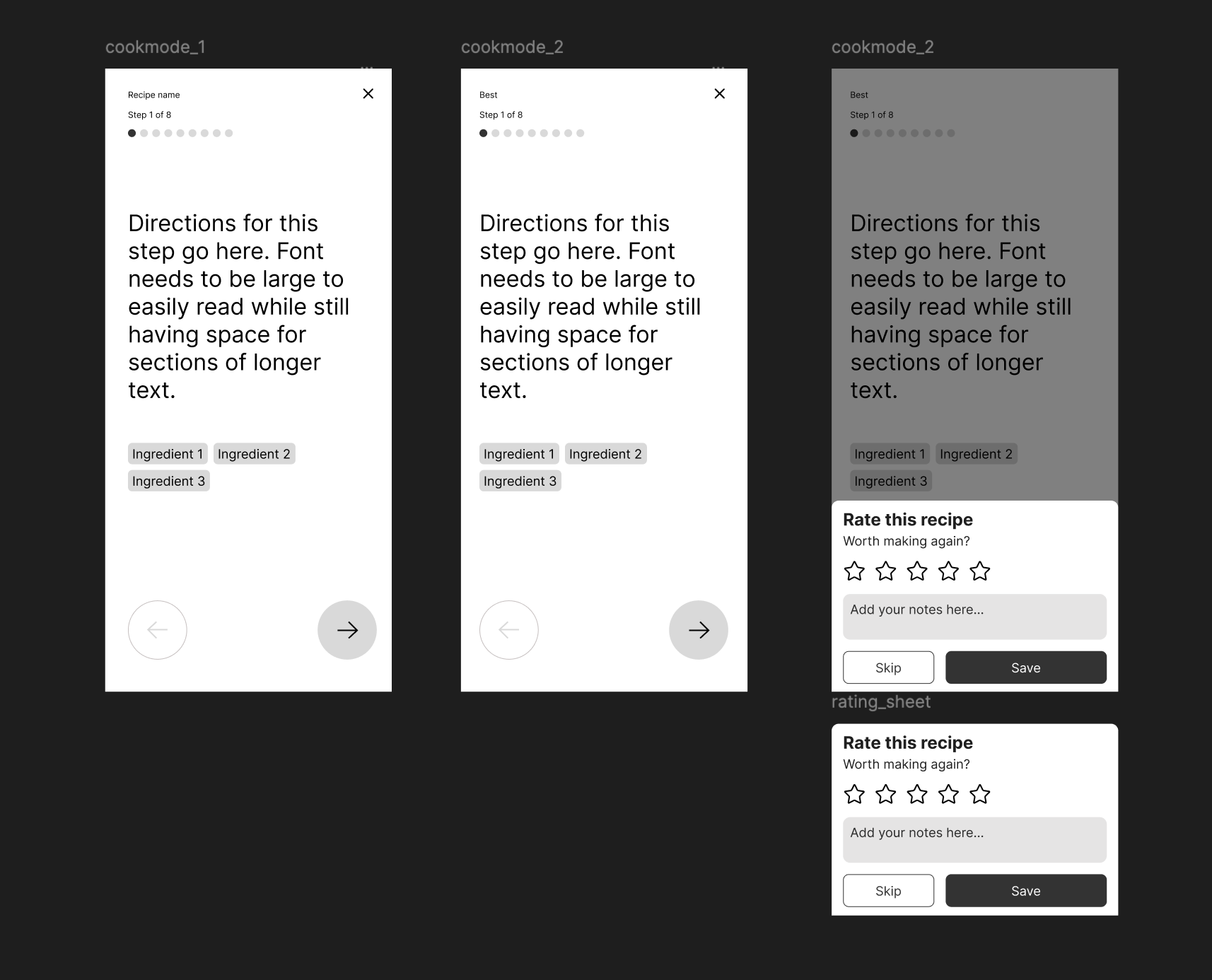
A static artboard can't tell you whether logging a task in one tap feels right, or whether a bottom sheet should spring or fade. So interaction ideas skip the artboard: I describe the variant, Claude Code builds it on a branch, and I'm testing it on my own phone within hours. Rejected variants cost a deleted branch, not a day of pixel work.
Interaction variants live as branches: testable on a real phone in hours, deletable in seconds.
Figma still owns what it's best at: visual direction, layout exploration, and communicating with other humans. Lo-fi still starts on paper. Code owns interaction truth.
Ship with a real engineering workflow
This isn't no-code. It's Git branches, small commits, TestFlight builds, App Store review, and analytics instrumentation - the same workflow a product team runs, compressed into one seat. Recipe Fox ships JavaScript-only fixes over-the-air: a bug reported in the morning can be live on users' phones the same day, no store review.
The transferable part: I'm comfortable in a codebase, can read a diff, and can push a small PR for a copy tweak or spacing fix instead of filing a ticket for it.
Measure, then fold it back in
Every app is instrumented with PostHog - funnels, feature usage, onboarding drop-off - and reviews, analytics, and community threads feed the next loop together. On Ago's launch day, a Reddit commenter described the exact use cases the app was built for - HVAC filters, tire rotation, gutters - none of which appeared in any marketing copy. That's the signal that the discovery loop worked, and it's already shaping what gets built next.
The stack
The tools this loop actually runs on:
 Claude CodeResearch synthesis, code, Git, release prep
 ObsidianVault for notes, ideas, and project context
 FigmaVisual direction and layout exploration
 GitHubVersion control, branches, small PRs
 React NativeOne codebase, iOS and Android
 ExpoBuilds, on-device testing, OTA updates
 TypeScriptTyped production code
 PostHogProduct analytics, funnels, EU-hosted
 RevenueCatOne-time purchase infrastructure
 XcodeNative builds, App Store submission
Artifacts
Work products from this workflow you can inspect directly:
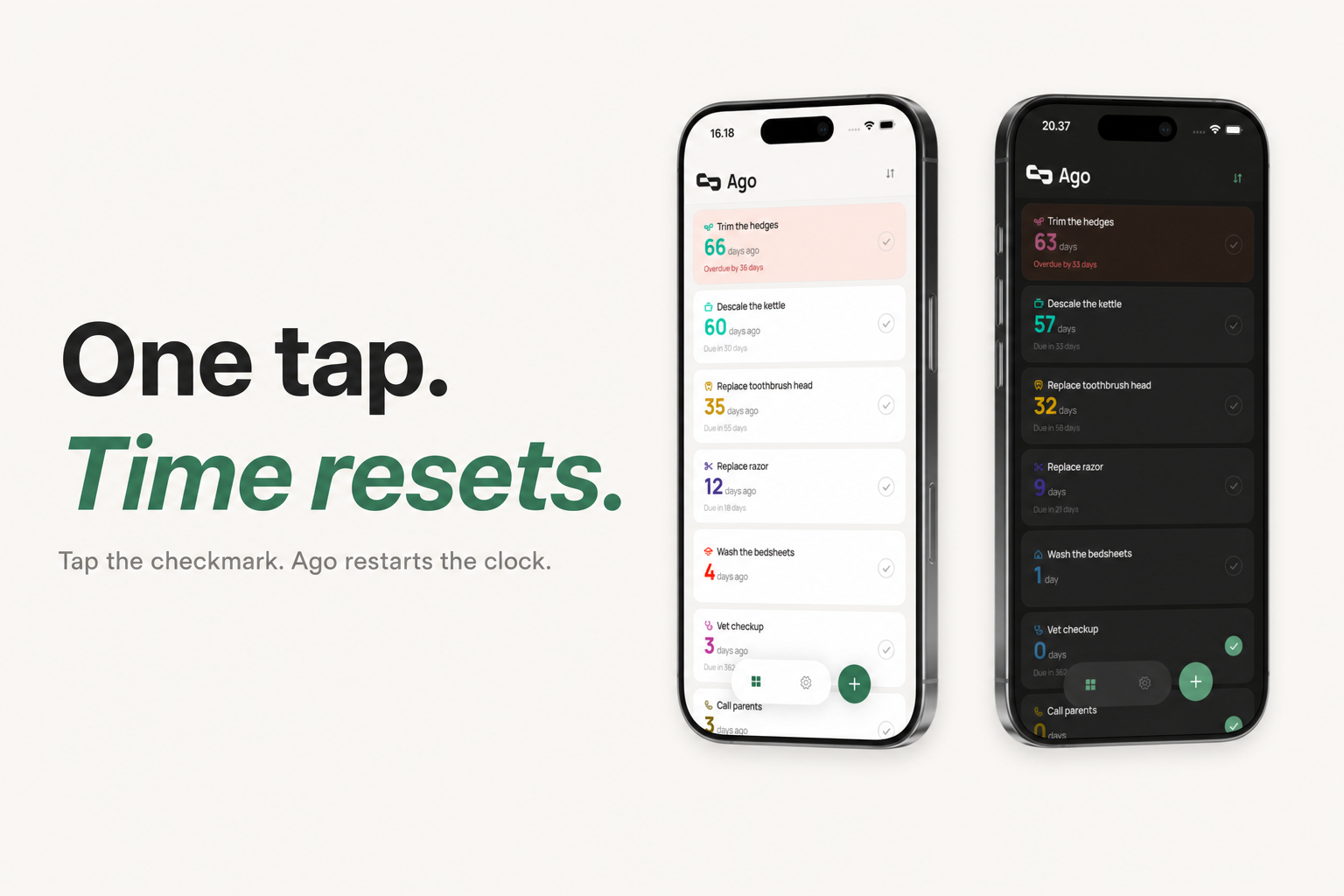
- Ago Design System - a living style guide covering tokens, components, and patterns in light and dark mode. Written and versioned alongside the shipped app, so it can't drift from reality.
- Ago case study - the full discovery-to-launch chain, including the decisions that lost.
- Recipe Fox case study - iOS and Android; two of every three recipes arrive via the TikTok/Instagram share extension.
- This site - designed, coded, and deployed the same way.
What this means in a team
Solo shipping is the lab, not the goal. In a product team, this workflow shows up as prototypes engineers can open and inspect instead of guess at, small PRs for the fixes that never survive a backlog, research synthesis that takes hours instead of weeks, and a design system that stays honest because it's executable. I bring the habit of trying the new tool first and reporting back with something running - and I still speak the standard toolchain fluently: Figma, design tokens, handoff, critique.